
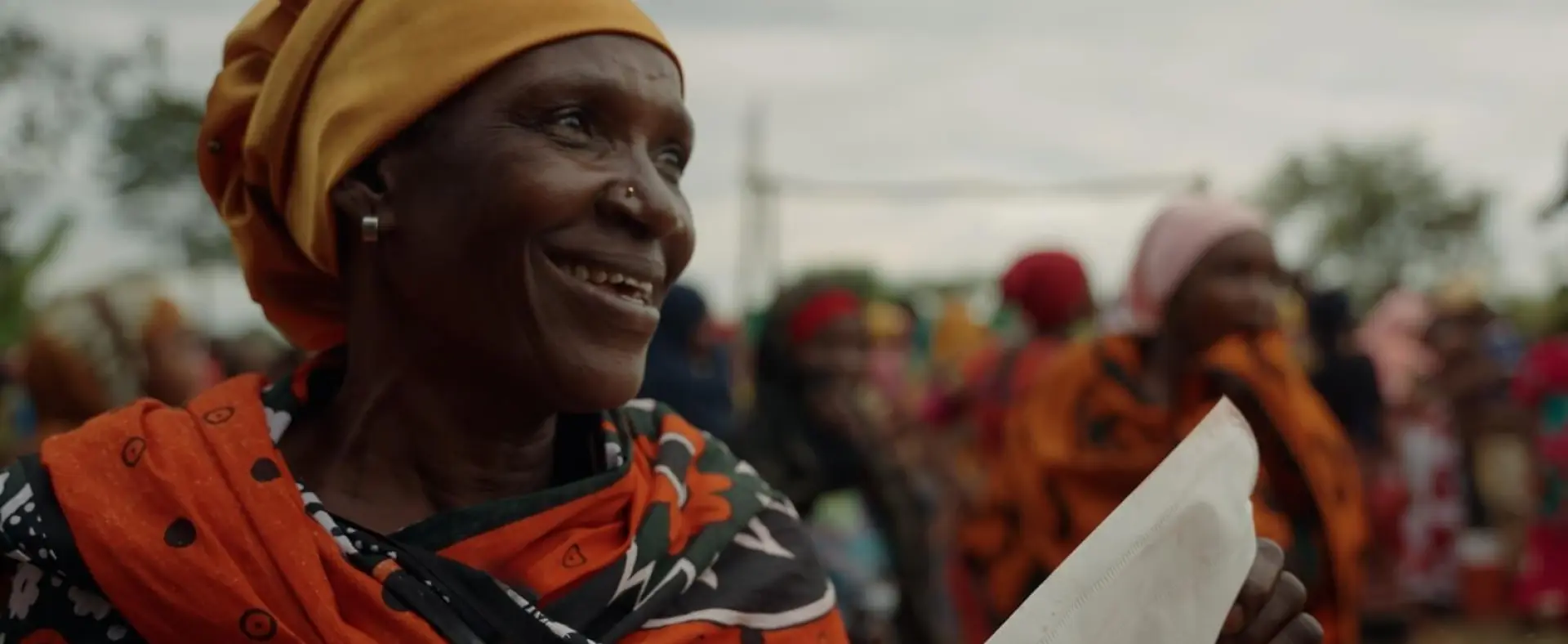
Qurbani
What is Qurbani in Islam and why it matters?
Qurbani is one of the most important acts of worship performed by Muslims during Eid al-Adha. Often described as the Eid al-Adha sacrifice, Qurbani refers to the ritual sacrifice in Islam in which a prescribed livestock animal is offered purely for the sake of Allah. While the outward act involves sacrificing an animal, the true meaning of Qurbani lies in faith, obedience, and sincere devotion.
Each year, Muslims around the world perform Qurbani as a reminder that belief in Islam is not only expressed through words but through actions that reflect trust in Allah and compassion towards others.
“Their meat will not reach Allah, nor will their blood, but what reaches Him is piety from you.”
Who must give Qurbani?
Qurbani applies to adult Muslims who meet all of the following conditions:
1. They have reached puberty
2. They are of sound mind
3. They possess wealth above the nisab threshold during Eid days
This obligation applies equally to men and women. Qurbani is not automatically the responsibility of the head of the household. Instead, each eligible adult Muslim is individually responsible to perform Qurbani if they meet the criteria.
Qurbani is not required for children who have not yet reached puberty; however, it is permissible to offer a sacrifice on their behalf if one chooses to do so.
When is Qurbani Performed in Islam?
Qurbani is performed on the 10th, 11th and 12th days of Dhul Hijjah, the final month of the Islamic calendar. These are known as the days of Eid al-Adha, when al-Adha is celebrated by Muslims across the world.
The sacrifice must be carried out after the Eid prayer on the first day. Any animal sacrificed before the Eid prayer does not count as Qurbani and is treated as ordinary charity. This timing is based on the Sunnah of the Prophet Muhammad ﷺ, who performed his sacrifice only after completing the Eid prayer.
When is Qurbani in 2026?
Based on current projections, Eid al-Adha 2026 in the UK is expected to fall around Wednesday 27 May to Friday 29 May 2026, covering the 10th, 11th and 12th of Dhul Hijjah. These dates are subject to confirmation through the sighting of the moon. Because the Islamic calendar follows lunar cycles, the exact dates may vary by a day depending on the sighting. Muslims are advised to follow announcements from trusted local scholars or national moon sighting committees.
What does performing Qurbani involve?
At its core, Qurbani involves offering a sacrifice from specific sacrificial animals during Eid ul Adha. Performing Qurbani correctly requires attention to timing, the type of animal used, intention, the method of slaughter, and the way the meat is distributed. Each of these elements played a major role in how Qurbani was practised by Prophet Muhammad ﷺ and the early Muslim community.
Qurbani is an act of worship that combines devotion to Allah with care for others, ensuring that obedience and compassion go hand in hand.
Who can receive Qurbani?
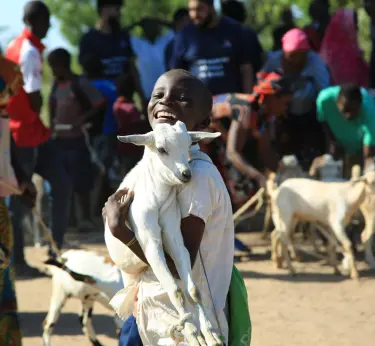
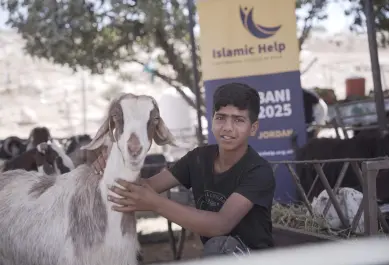
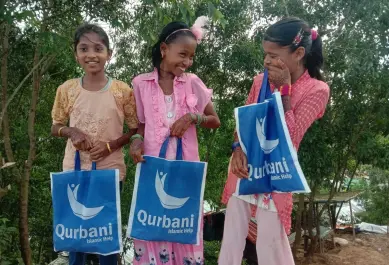
A defining feature of Qurbani is its charitable purpose. Qurbani has always been closely linked with feeding the poor and caring for vulnerable communities. After the sacrifice, the meat is distributed among family members, relatives, and those in need.
This emphasis on sharing meat ensures that Eid al-Adha is experienced collectively rather than privately.
In many parts of the world, Qurbani time is the only occasion when families living in poverty receive meat, making this act both spiritually and socially significant.
Through Qurbani charity, Muslims transform an act of worship into nourishment, dignity, and relief for others.
“Indeed, Allah is Pure and only accepts that which is pure.”
How much Qurbani should I give?
Each eligible Muslim who meets the niṣāb threshold is required to give one qurbani during Eid al-Adha. One small animal (such as a sheep or goat) counts as a full share, while a larger animal (like a cow) can be shared between up to seven people. Many also choose to give additional qurbani as charity, helping provide fresh meat to families in need and maximising the rewards of this sacred act.
How does Qurbani help people living in poverty?
Qurbani helps people living in poverty by providing fresh meat during Eid ul Adha, often the only time of year they receive it. This improves nutrition, restores dignity, and allows vulnerable families to take part in the joy of Eid alongside the wider Muslim community.
How many Qurbanis are required?
There is no “one Qurbani per household” rule. The obligation is per eligible person. If only one adult in a family is eligible, one Qurbani is required. If multiple adults are eligible, each must perform Qurbani individually.
Whether offering a small animal such as a goat or a share in a larger animal, responsibility is tied to the individual, not the family unit.
How does Islamic Help calculate Qurbani prices?
Islamic Help follows a globally recognised process to ensure your Qurbani reaches families with dignity, care, and quality. Each price includes the cost of the animal, slaughter, butchering, transportation, storage, selection of beneficiaries, and distribution. Every stage is carried out in line with Shariah principles and humanitarian best practice, ensuring the meat is halal (permissible), tayyib (pure), and ethically sourced.
Working with trusted local partners, Islamic Help upholds strict animal welfare, hygiene, and safety standards from sacrifice to distribution. Pricing reflects the full journey of your Qurbani, ensuring it reaches those most in need with care and accountability. Your Qurbani, delivered with integrity.
Stay connected to your giving
We know that Qurbani is deeply personal. That’s why we keep you informed as your sacrifice reaches those in need. Once your Qurbani has been carried out, we’ll provide confirmation that it has been completed in your chosen location, along with details of its impact.
While we always aim to fulfill your selected country, in rare cases – such as access restrictions or unforeseen challenges – we may redirect your Qurbani to a similar region in urgent need.
This ensures your sacrifice is delivered on time, in accordance with Qurbani requirements, and continues to benefit vulnerable families without delay.
To ensure your Qurbani is carried out on time and in accordance with our obligations, Islamic Help accepts requests until 6pm on the day of Eid.
Give your Qurbani with intention, and help change a life today
Donate your Qurbani NowFrequently Asked Questions
-
What is the meaning of Qurbani?Qurbani means “sacrifice” and derives from an Arabic root meaning “closeness.” In Islam, Qurbani refers to sacrificing a livestock animal during Eid al-Adha to seek closeness to Allah, following the example of Prophet Ibrahim A.S. and demonstrating obedience, devotion, and gratitude through a prescribed act of worship.
-
Is Qurbani mandatory in Islam?Qurbani is mandatory (wajib) according to the Hanafi school for adult Muslims who possess wealth above the nisab threshold during Eid days. Other schools consider it a highly emphasised Sunnah. Most scholars agree that Muslims who are able should not neglect Qurbani without a valid reason.
-
What is a Qurbani share?A Qurbani share is one-seventh of a large animal, such as a cow or camel. Islamic law allows up to seven people to share one large animal, with each share counting as a complete Qurbani for one individual. Sheep and goats cannot be shared.
-
What is the sacrifice of a goat in Qurbani?The sacrifice of a goat in Qurbani means offering one goat as a complete Qurbani on behalf of one person. The goat must meet Islamic age and health requirements and be sacrificed during Eid al-Adha after the Eid prayer, following proper halal slaughter guidelines.
-
What is the definition of Eid al-Adha?Eid al-Adha is the Islamic festival known as the Festival of Sacrifice. It commemorates Prophet Ibrahim’s A.S. willingness to sacrifice his son in obedience to Allah. Eid al-Adha occurs on the 10th of Dhul Hijjah and is marked by prayer, Qurbani, charity, and communal celebration.
-
Can I give Qurbani in the UK through a charity?Yes, Muslims in the UK can fulfil their Qurbani through trusted charities. The charity acts as your agent, arranging the sacrifice during the correct Eid days and distributing the meat to those in need. This approach is widely accepted and ensures global humanitarian impact.
-
Why does Islamic Help focus on overseas Qurbani?Islamic Help prioritises overseas Qurbani because, in many regions, families rarely eat meat outside Eid. Your Qurbani provides essential nutrition and dignity to vulnerable households, ensuring the sacrifice fulfils both its spiritual purpose and humanitarian responsibility.
-
Can I give more than one Qurbani?Yes, you may give more than one Qurbani if you are able. After fulfilling your required Qurbani, offering an additional sacrifice is a voluntary act often called a Prophetic Qurbani. This follows the example of the Prophet Muhammad ﷺ and extends the blessing to others.


