Gaza Floods 2026: Why Thousands of Families Need Emergency Shelter
Latest News

Gaza Floods 2026: Why Thousands of Families Need Emergency Shelter

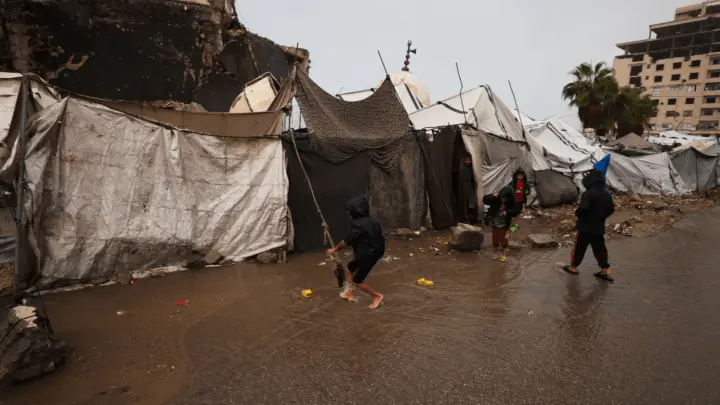
Floods have torn through Gaza’s displacement camps, leaving families with damaged tents, soaked bedding and nowhere dry to sleep. More than 106,000 people were directly affected by the November 2026 rainfall, according to UNICEF’s report published on 9 November.

The crisis is particularly severe for households already living in temporary shelters. Islamic Help’s team in Gaza is distributing emergency aid now. The Gaza Floods Emergency Appeal focuses on practical protection for families facing further storms.

What happened during the November 2026 Gaza floods?

Heavy rain and strong winds began on the evening of 6 November, affecting displacement sites across all five of Gaza’s governorates. UN OCHA reported extensive shelter damage, flooding of humanitarian facilities and interruptions to essential services in its 8 November situation report.

Floodwater reached up to 1.5 metres in some places. Damaged drainage networks and shortages of pumping equipment made it difficult to remove water from flooded areas. Where stormwater mixed with sewage, families faced additional sanitation concerns.

The storm struck families already living with fragile shelter conditions. Before the floods, the Shelter Cluster reported that 54% of shelters leaked during rainfall. A tent that cannot keep the rain out offers little protection when bedding and clothing become wet.

How many people were affected by the Gaza floods?

The verified figures demonstrate how quickly the emergency developed. As at 11 November, Islamic Help’s campaign reference drew on the following UN assessments:

106,000+ people directly affected, reported by UNICEF on 9 November.

26,000+ households requesting help because shelters or belongings were damaged, reported by UN OCHA for 8 November.

6,000+ family shelters destroyed and 17,400 otherwise damaged, reported by UN OCHA.

3,900+ households with no shelter, reported by UN OCHA.

UN OCHA also reported that six people died in incidents associated with the storms, including an infant who reportedly drowned and three young children killed when a sandy hill collapsed onto tents.

These different measures should not be added together. The figures were preliminary when reported.

Why are displaced families so exposed to flooding?

UNICEF reported that 1.7 million displaced people were living in tents, makeshift shelters or damaged buildings exposed to flooding and cold. Some families have spent successive winters in accommodation that offers limited protection from heavy weather.

Emergency shelter supplies were already scarce. In its early November reporting, UN OCHA identified a need for 121,000 tents, compared with 2,800 in stock inside Gaza. It also recorded a need for 1.7 million mattresses, with 4,993 available.

This shortage means families need different forms of help. A household whose tent remains standing may need insulated tarpaulins and sandbag barriers. A household whose shelter has been destroyed may need a replacement tent. Families whose bedding was soaked may require dry mattresses and blankets.

What does effective flood protection look like?

A sealed roof and walls can reduce the rain entering a tent. Sandbag barriers around the base can help hold back floodwater at ground level. Dry bedding provides protection from the cold once a shelter has been made more secure.

These measures are practical rather than permanent solutions. They can reduce immediate exposure while families face difficult shelter conditions and continuing winter weather. The need is not simply for more supplies, but for the right supplies to reach each family.

Our companion article explains why wet tents and winter flooding create particular risks for children.

What is Islamic Help doing for flooded families in Gaza?

Islamic Help’s own team is on the ground and distributing emergency aid now. Its first phase aims to reach 4,200 families, representing 21,000 people, across Gaza City, Khan Younis, Deir al Balah, Nuseirat and Al Mawasi over eight weeks.

The team speaks with each family, identifies urgent needs and delivers assistance directly. The planned response includes tent protection, new shelter, mattresses, blankets, children’s winter supplies, lighting and emergency food. The 4,200 families figure is a response target, not a statement that all those families have already received assistance.

Islamic Help’s wider work in Gaza includes Gaza Emergency Aid and specialist medical support through Surgeons of Gaza. These separate programmes address important needs alongside the flood emergency.

How can you support the Gaza Floods Appeal?

Donations to the Gaza Floods Appeal can support practical winter and flood assistance. The main options are:

£25 can provide a winter blanket. Emergency Zakat eligible.

£70 can seal and insulate a flooded tent. Emergency Zakat eligible.

£100 can protect a family tent with sandbag barriers. Emergency Zakat eligible.

£300 can provide a new family tent. Emergency Zakat eligible.

Prices are averages; any surplus is used for flood and winter aid in Gaza where it is most needed.

Or type any amount. Every pound counts. Emergency Zakat eligible.

If you are choosing how to contribute, read our UK guide to donating to Gaza flood victims.

Help families face the next storm

Families facing another winter in temporary shelter need practical protection and somewhere dry to sleep. Islamic Help’s team is distributing emergency aid now. Support the Gaza Floods Appeal and help families access the supplies they need.

Sources and reporting dates

Frequently Asked Questions (FAQs)

  • When did the November 2026 Gaza floods begin?
    Heavy rain and strong winds began across Gaza on the evening of 6 November 2026. UN OCHA reported flooding in displacement sites across all five governorates, with shelters, facilities and essential services damaged. Its situation report describes the initial storm and the urgent assistance requested by displaced families.
  • How many family shelters were destroyed in the Gaza floods?
    UN OCHA reported that more than 6,000 family shelters had been destroyed and another 17,400 damaged after the November 2026 storm. More than 3,900 households were reported to have no shelter. These figures were preliminary and reflect different measures of damage and need, rather than separate totals to combine.
  • Why do families need tarpaulins as well as new tents?
    Some families still have a tent, but rain enters through damaged fabric or gaps in the structure. Insulated tarpaulins can help seal an existing shelter more quickly. Families whose tents have been destroyed may need replacements. Islamic Help’s flood response assesses these needs directly instead of assuming every household needs the same item.
  • What does a sandbag barrier do around a tent?
    A sandbag barrier is placed around the lower edge of a tent to help hold back water before it reaches the living area. It is one form of flood protection alongside sealed tent fabric and dry bedding. Islamic Help’s approved £100 option can protect a family tent with sandbag barriers.
  • Where can I donate to help families affected by the Gaza floods?
    You can donate through Islamic Help’s Gaza Floods Appeal, which supports its combined flood and winter response. The appeal offers suggested amounts for blankets, tent sealing, sandbag protection and new family tents, plus an option to enter another amount. Every item is identified as Emergency Zakat eligible.

updates that matter

Empower my Inbox

Join Mission Possible

Interested in volunteering? Tell us a little about yourself and our team will be in touch with next steps.

Still want to join?

This mission is currently full. Add your email address and we'll let you know if a place becomes available.

    Updates that matter

    Join our mailing list for events, urgent appeals, and project updates from the communities you help empower.

      We use cookies to make your visit even better

      They help us understand how our website is used so we can improve your experience and share the stories and projects you care about most. All data is anonymous, and your privacy matters to us.